Hlatikulu Crane Sanctuary

On the second day of our stay at Cleopatra Mountain Farmhouse in late July we drove out to Entabeni to see the Hlatikulu Crane Sanctuary.

This sanctuary has a Crane Rehabilitation Centre which is positioned adjacent to a large wetland feeding a few dams. It is located about 12 kilometres from Kamberg along the Giant’s Castle road. The next image shows a panorama of the dam adjacent to the Crane Rehabilitation Centre. The surrounding area is very beautiful, nestled under the Central Drakensberg mountains.

Kamberg_Panorama1

When you least expect it, you may also find some natural treasures – African Clawless Otters having great fun, oblivious of the winter water temperatures. These were the best images I could get because they were right in the middle of the dam.  I was rather hoping that they would be like Gavin Maxwell’s Otters in ‘Ring of Bright Water’ and be very inquisitive and come over to investigate this photographer, but no such luck.

Kamberg AM 26-Jul-14 0603 Kamberg AM 26-Jul-14 0643

Unbeknown to us the Crane Sanctuary visits during the weekend are by appointment. Despite being closed to the public, a very cordial staff member, Jeffrey, showed us around the Crane pens giving us some background to their rehabilitation efforts.

Life is 10% what happens to us and 90% how we respond to it. 

~ Charles R Swindall

The drastic decline in the numbers of the three species of Cranes in South Africa led to the establishment of the South African Crane Working Group (SACWG), which is a national body aimed at co-ordinating Crane conservation efforts in South Africa. A National Crane Habitat and Action Plan acts as a guideline for Crane conservation. The group is made up of a network of regional and national Crane conservation projects and working groups and is active in all 10 key Crane regions in South Africa. The Hlatikulu Sanctuary is part of the network of conservation working groups focused on conserving SA’s three types of Cranes.

The three species of Crane found in South Africa are the Wattled Crane (Critically Endangered), the Grey Crowned Crane (Vulnerable) and our national bird, the Blue Crane (Vulnerable).

 According to the KZN Crane Foundation, Cranes are the ambassadors for two of South Africa’s most important ecosystems – the wetlands and grasslands that make up our water catchment areas. Today, only 2% of South Africa’s grasslands are under formal protection and over 50% of the country’s wetlands have been lost through human activity – mining, forestry, crop farming, overgrazing, draining, industrial development and urbanisation.

Do what you can , with what you have, where you are. 

~ Theodore Roosevelt

South Africa is world-renowned for its rich biodiversity. The KwaZulu-Natal Crane Foundation (KZNCF) is one of a number of conservation groups working to raise public awareness about Cranes and the need to conserve these unique species which signals the health of the ecosystems upon which they and human communities so critically depend.

 What makes Cranes so special?

  • Cranes have been around since the Eocene, which ended 34 million years ago. They are among the world’s oldest living birds and one of the planet’s most successful life-forms, having outlasted millions of species (99 percent of species that ever existed are now extinct). In all the human cultures that experience the birds, they are revered. Source: http://www.smithsonianmag.com/search/?q=cranes
  • They are beautiful, elegant, exotic looking large birds. Their stunning colouring and long legs and necks give them elegant lines. Cranes vary in height from the Grey-crowned at three foot to the Wattled at six foot.
  • Their bugling calls are booming and not especially musical but can be heard over long distances. Their calls are amplified and resonated within specialised long and often convoluted trachea according to Trevor Carnaby’s “Beat about the Bush – birds”. All species are territorial when breeding so long distance calls probably help reduce conflict and alert prospective partners.
  • They dance as part of the courting and recognition rituals between males and females.
  • Demoiselle Cranes are found in North Africa but not is SA. These amazing birds migrate over the Himalayas each year – a phenomenal physical feat. Have a look at the short video via this link: http://bbc.co.uk/nature/life/Demoiselle_Crane#p00379my
  • Their breeding and survival success are good indicators of the health of our grasslands and wetlands.
  • The Grey-crowned Crane is the only one of the SA Cranes with a longer hind toe which allows it to perch in trees. The other two species are confined to their terrestrial perches.
  • All three Cranes are good fliers and migrate significant distances depending on the season.
  • The Grey-crowned and Wattled Cranes inhabit  a large area extending to the southern-central parts of Africa. We saw many Grey-crowned Cranes in Serengeti and the Ngorongoro crater

The Grey Crowned Crane is the smallest of the three Cranes found in South Africa, but in my opinion is the most exotically dressed.

Kamberg AM 26-Jul-14 0669

Life is one big canvas; throw all the paint on it you can. 

~ Danny Kaye

Kamberg AM 26-Jul-14 0678

Blue Cranes

There are around seven or eight Blue Cranes at the Hlatikulu centre. The Blue Crane is also referred to as the Stanley Crane or Paradise Crane. It is a large very elegant bird. According to the Bluecrane.org.za website,  Blue Cranes are the most numerous of the three species in South Africa. They are endemic to SA with about 99% of the estimated 21,000 to 23,000 birds found in SA and a small group is resident in Etosha. The Blue Crane was classified as vulnerable by the International Union of Conservation (IUCN) in 2003.

  • National Bird of South Africa.
  • One of only 2 cranes without red on the face (the other is the Demoiselle Crane).
  • Besides the Demoiselle Crane, independent of wetlands, but need water.
  • Near endemic to South Africa, with a small population in Namibia of less than 35 birds.
  • Primary threats: Powerlines, habitat loss, poisoning.
    Source:Endangered Wildlife Trust-African Crane Conservation Programme.

Kamberg AM 26-Jul-14 0688

The previous image was the best I could get through the wire mesh fence around the Crane pen. It was interesting to see the Blue Crane’s head become almost Cobra-like when it was disturbed.

Grey-crowned Cranes

  • Endangered across Africa.
  • Vulnerable in South Africa.
  • Can perch due to their long hind toe.
  • Fastest declining crane species in the world.
  • The most ancient of the cranes.
  • National bird of Uganda.
  • South Africa the only country with a stable population.
  • Biggest population in Kenya and Uganda.
  • Primary threats: illegal trade, habitat loss, direct persecution as a result of crop damage and powerline collisions and electrocutions.
Source:Endangered Wildlife Trust-African Crane Conservation Programme

The International Crane Foundation estimates the Grey-crowned Crane population at 30,000 (South African 12,000, East African 18,000). The population has declined 50-79% across most of the species range over the last 45 years (excluding South Africa, where the population has remained stable).

There is also a Black-crowned Crane which looks similar but for black body feathers. The head colouring looks similar. We do not get the Black-crowned Crane in SA, they are only found in west and north Central Africa from Nigeria to the Sudan.

You were born an original.  Don’t die a copy. 

~ John Mason

The Grey-crowned Crane images in this post are of Boston. The story goes that Boston was found by a lady in Boston in KwaZulu Natal as a small chick and brought to the Hlatikulu Sanctuary to be reared, hence his name. Boston is free but firmly imprinted on humans. He will therefore come right up to you and follow you around like a dog. This made getting close up shots with backgrounds tricky as he kept coming right up to me wanting to peck at my camera’s lens. Being really inquisitive he eventually flew on top of our 4×4 and this gave me the perfect opportunity to get the close-ups with clear backgrounds – thanks Boston!!

Kamberg AM 26-Jul-14 0698 Kamberg AM 26-Jul-14 0701 Kamberg AM 26-Jul-14 0706

Wattled Cranes

The Wattled Crane occurs in eleven sub-Saharan countries in Africa, including an isolated population in the highlands of Ethiopia. More than half of the world’s Wattled Cranes occur in Zambia. The single largest concentration occurs in the Okavango Delta of Botswana. Wattled Cranes are thought to have historically ranged over a much larger area including coastal West Africa. There is a total population of around 8,000 but is in a declining trend.

Wattled Cranes are South Africa’s most endangered crane species, with an estimated 245 to 260 individuals remaining in the wild in South Africa.  Approximately 90% of the country’s population of Wattled Cranes are located in KwaZulu-Natal, with the vast majority of the 80 known breeding pairs found in the KZN midlands and Drakensberg.  A small number of pairs are found in the Highveld grasslands of Mpumalanga and the Drakensberg of the Eastern Cape.  These birds are highly dependent on wetlands for breeding and foraging They breed in winter which limits the types of wetlands they depend on for breeding.  These birds are usually very sensitive to disturbance and land use changes. Source: www.bateleurs.co.za

Currently Red Data listed as Vulnerable, Wattled Cranes were once widely spread across Africa, but now occur in a restricted range with only approximately 7,000 individuals remaining in the wild. Some of the greatest losses of Wattled Cranes have occurred in South Africa where a 35% decline in population size over just two decades left the population critically endangered.

  • Critically Endangered in South Africa.
  • Vulnerable status in Africa.
  • Most specialised of Africa’s Cranes, needing good quality wetlands.
  • The majority of the population found in the large floodplains in central Southern Africa.
  • Primary threats: habitat loss and hydroelectric dams.
Source:Endangered Wildlife Trust-African Crane Conservation Programme

I could not get decent images of the Blue and Wattled Cranes through the fence around their pens so I will have to find out where and when I can get shots of them in the wild – I can feel another trip coming on!!!

After having a look around the centre and spending some time with Boston, we drove down to one of the dams to have coffee and a bun. The next image was taken once we stopped to have our coffee. The reflection on the water showed the stillness and beauty around the dam.

Kamberg AM 26-Jul-14 0709

“If you see a crane flying, it may be drawing your eyes to the heavens, lifting your spirits, and inspiring you to trust in the universe. If you see it standing, it may be advising vigilance and alertness”.
– Unknown
Explore, seek to understand, marvel at the inter-connectedness and then let it be.

Have fun,

Mike

Kamberg collections

Humankind has not woven the web of life.
We are but one thread within it.
Whatever we do to the web, we do to ourselves.
All things are bound together.
All things connect.
Chief Seattle, 1854~

Last weekend we drove down to Kamberg in KwaZulu Natal. We stayed at Cleopatra Mountain Farmhouse. This wonderful gastronomic stay is central to the Kamberg area. From here you can easily access Giant’s Castle, Highmoor and Kamberg Nature Reserves. You are also within 12 kilometres of the Crane Rehabilitation Centre at Entabeni ( on the way to Giant’s Castle).

We spent three superb days at Cleopatra Mountain Farmhouse where the staff were great and the cuisine ‘top draw’. It is an easy five hour drive from Johannesburg to the central Drakensberg. It was great to get out of the ‘big smoke’ and get into the clean mountain air.  We arrived early so drove up to the Highmoor Reserve which borders the Cleopatra Mountain Farmhouse property. In the reception of the Highmoor reserve was a photograph taken in 2009 of three of the staff standing in a white winter wonderland with thick snow on the ground and covering the leafless branches of the surrounding trees. When we got there it was so warm I did not need a jersey despite being almost mid-winter with not a speck not snow to be seen and warm enough to be summer or at least spring.

Kamberg AM 24-Jul-14 0001

After a brief walk on top of the mountain we wandered back down to check in at the Farmhouse. The Farmhouse is the brainchild of Richard Poynton who is a well recognised gourmet chef in South Africa. The relaxed style of gourmet farmhouse dining at Cleopatra provides a memorable dining experience in magnificent mountain surroundings. The last night during dinner a family of Clawless Otters must have come up from the river and were cavorting in the small dam directly in front of the dining room. They seemed to be oblivious of the freezing cold temperature of the water.

The idea of wilderness needs no defense. It only needs more defenders.
  – Edward Abbey 

The Farmhouse is on a 500 hectare property bordering the Highmoor Nature Reserve. It is centrally positioned for easy access to all the main spots in the central Berg. It’s location enabled us to get an early start at the Vulture Hide at  Giant’s Castle on the Friday morning. This hide is very popular so prior booking is essential. I phoned on the Wednesday before we travelled down to KwaZulu Natal and by pure chance got a booking for that Friday. The staff at Giant’s Castle were great. They left the bucket with bones and a key to the hide in the usual place so we did not need to wait until 8h00 to check in. We were on top of the mountain by 7h30 and got ourselves set up immediately as the quality of the light was crystal clear and contrast soft. We knew the ropes after having been there before in November. It was really chilly up in the hide in November so we were fully prepared for a freezing day inside the hide in mid-winter. To our utter surprise it was so warm that I had taken my jersey off by 10h00. No snow was seen anywhere on the Berg. The next image is a panorama taken from the hide looking west – stark but spectacular.

GiantsCastle_Panorama1

Once happily ensconced in the hide with a hot cup of coffee and a hot cross bun, we settled down to watch and photograph the passing parade, and what a parade. Being winter, we knew this was the breeding season for the Bearded Vultures but were not too sure what else we would see on top of the mountain at this time of the year.

The faithful Buff Streaked Chats were very busy. Once we had put out a portion of bones, the Red-wined Starlings and Buff Streaked Chats were quick to feast on the fat. This female Buff Streaked Chat was puffed up because of the early morning temperatures.

Kamberg AM 25-Jul-14 0030

The male Buff Streaked Chat was very protective about his small territory and would chase away any other bird his size or smaller.

Kamberg AM 25-Jul-14 0046

One thing bird photographers in the hide will just have to get used to is the White-necked Ravens. I counted 22 and they are large dominant birds. They have voracious appetites and are waiting for your bounty. The Ravens have a much deeper bill than crows and are adept at stripping off meat from the bones. They tend to inhabit the montane regions more than the Pied crows. The Pied Crows are smaller and the white extends from the neck around to its collar and breast.

Kamberg AM 25-Jul-14 0039

The White-necked Ravens are superb fliers and seem to just love to play once the wind picks up creating the updraft off the mountainside. Pairs of Ravens relish wild aerial manoeuvres in the updraft in what appears to be sheer exhilaration.

Kamberg AM 25-Jul-14 0093

The greedy White-necked Ravens did not get it all their own way as every now and then a hungry Black-backed Jackal would warily peer over the edge of the rocks to see if a bone was within stealing distance. One of the images I really wanted to get was of a Jackal tangling with a Vulture or two over a bone but we did not see any Cape Vultures.

Kamberg AM 25-Jul-14 0300

More wary but more sedate are the Speckled Pigeons which had no interest in the bones but were busy eating grass seed. These Pigeons inhabit the cliffs in the Drakensberg and are also excellent fliers. They are also not given enough recognition for their amazing colouring which is cryptic in the rocks of cliffs and that dramatic red eye ring.

Kamberg AM 25-Jul-14 0062

Inside the hide there are two walls of images of birds courtesy Albert and Maretjie Froneman which help with identification. Thankfully we got to see many of species displayed as most of them were resident. One example was this beautiful Bokmakerie, with is impressive yellow throat and and black necklace, grey head and breast and olive green back and tail feathers,

Kamberg AM 25-Jul-14 0063

Another was the Familiar Chat hunting for grubs in the grass.

Kamberg AM 25-Jul-14 0079

While looking down over the edge of the cliff on which the hide is situated we saw a Lanner Falcon flying along the mountain side. It stopped to perch on a coral tree part the way down the cliff. It never came up to have a look at the meat on the bones, even though it frequently looked up to where all the Ravens were feasting. The Raven mob was just to big and intimidating. Although this Lanner Falcon was perched part the way down the mountain from the hide. It was definitely interested in what was happening at the top of the cliff.

Kamberg AM 25-Jul-14 0108

We did not get to see a Malachite Sunbird this time but the Greater Double Collared Sunbirds were very busy testing the flowers of two coral trees next to the hide.

Kamberg PM 25-Jul-14 0325

Another old faithful was the Cape Rock Thrush, which also seemed to be partial to a little fat. The male has a slaty grey head and a rufous coloured body and wings. This is a strikingly coloured bird.

Kamberg AM 25-Jul-14 0241

The female Cape Rock Thrush has a similarly coloured body but a dull brown head, not the slaty grey of the male.

Kamberg AM 25-Jul-14 0053

All birds at the hide are attractions but I guess most photographers are looking for the birds of prey, especially Bearded Vultures, Black Eagles and Cape Vultures and would be very happy with Lanner Falcons and Rock Kestrels. The distant look at the Lanner Falcon brought back many fond memories. Many years ago at boarding school at Falcon College in Zimbabwe, we had a thriving ornithological society and a number of the school boys practised falconry. Often in the late afternoons, a number of the falconers could be seen exercising their Tawny Eagles, Sparrowhawks and Lanner Falcons on the playing fields. The Lanner was always spectacular as it stooped from great heights leveling out at great speed across the rugby field to catch a lure which was thrown as high as the falconer could hurl it.

We did not get to see any Cape Vultures or a Black Eagles. Neither did we see a Rock Kestrel but we did get to see the rarest of them all the Bearded Vulture. These are large impressive birds with a massive wingspan of between 2.6 and 2.8 metres. We were privileged to see quite a few fly passes but they never landed.

A fierce unrest seethes at the core,
Of all existing things:,
It was the eager wish to soar,
That gave the gods their wings.

 – Don Marquis

The next few images are a small selection of many images of these magnificent birds we were privileged to photograph. The adult has a whitish head and the juvenile a black head. Given the light colouring of the wings and white head I assume the next image was of a young adult.

Kamberg AM 25-Jul-14 0122

The Bearded Vultures are only found in the high mountainous regions of Africa, Europe and Asia and only in the Drakensberg in South Africa at altitudes above 1800 metres.

Kamberg AM 25-Jul-14 0134

On the many fly passes, the Bearded Vultures would have a good look at the goings on in front of the hide but there were too many Ravens for their liking.

Kamberg AM 25-Jul-14 0141

These Vultures feed on carrion and bones which are inedible to other birds. They are known for their accurate ‘bomb dropping’ skills where they drop bones onto a chosen flat rock to shatter it into fragments which they then digest together with the marrow. The flat rocks which they choose to drop their bones onto are called ossuaries.

Kamberg AM 25-Jul-14 0144

Reach for the light
You might touch the sky
Stand on the mountaintop and see yourself flying
Reach for the light to capture a star
Come out of the darkness and find out who you are

 – Steve Winwood  from the movie ‘Balto’

Kamberg AM 25-Jul-14 0158

The Bearded Vulture is considered rare and endangered. Its breeding season is from May to July so we were hoping for the adults to land and take some meat back to their chicks but this was not to be.

Kamberg AM 25-Jul-14 0262

Not that I have seen many Bearded Vultures, but I thought it was unusual to be an adult and juvenile flying in formation.

Kamberg AM 25-Jul-14 0283

The beard is clear to see even in the juveniles. There eyes are a mustard yellow colour with what looks to be a red eye ring.

Kamberg AM 25-Jul-14 0310

The Bearded Vulture’s effortless gliding passed the hide was breathtaking. At one stage we saw five Bearded Vultures, three adults and two juveniles soaring at low and high altitudes. They are quite capable of gliding low over the valley floor only to catch the updraft against the cliff to gain altitude.

The scenery from the Vulture’s hide at Giant’s Castle is vast, spectacular and in winter, stark. The veld fires had blackened vast tracts of the mountain which added to the dramatic colouring.

Kamberg AM 25-Jul-14 0364

Giant’s Castle is around 32 kilometres from Kamberg. It will take around 45 minutes travelling time to get there as the road is in a very poor state after Entabeni but the trip is worthwhile. You will need a 4×4 to get ontop of the mountain to the Vulture hide.

People who soar are those who refuse to sit back, sigh and wish things would change.
They neither complain of their lot nor passively dream of some distant ship coming in.
Rather, they visualize in their minds that they are not quitters;
they will not allow life’s circumstances to push them down and hold them under.

 – Charles R Swindoll

Explore, seek to understand, marvel at its inter-connectedness and then let it be.

Have fun

Mike

Serengeti in black and white

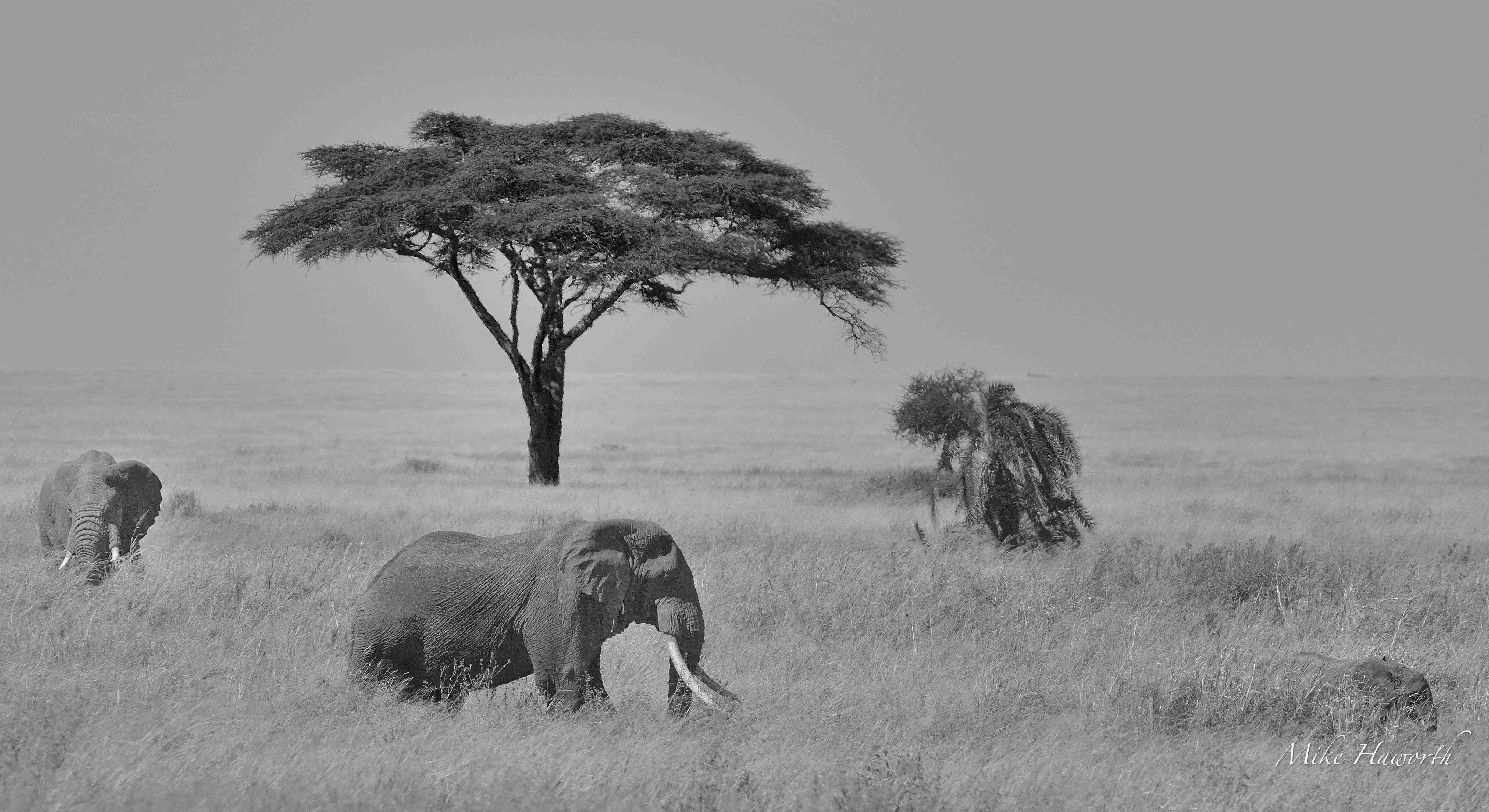
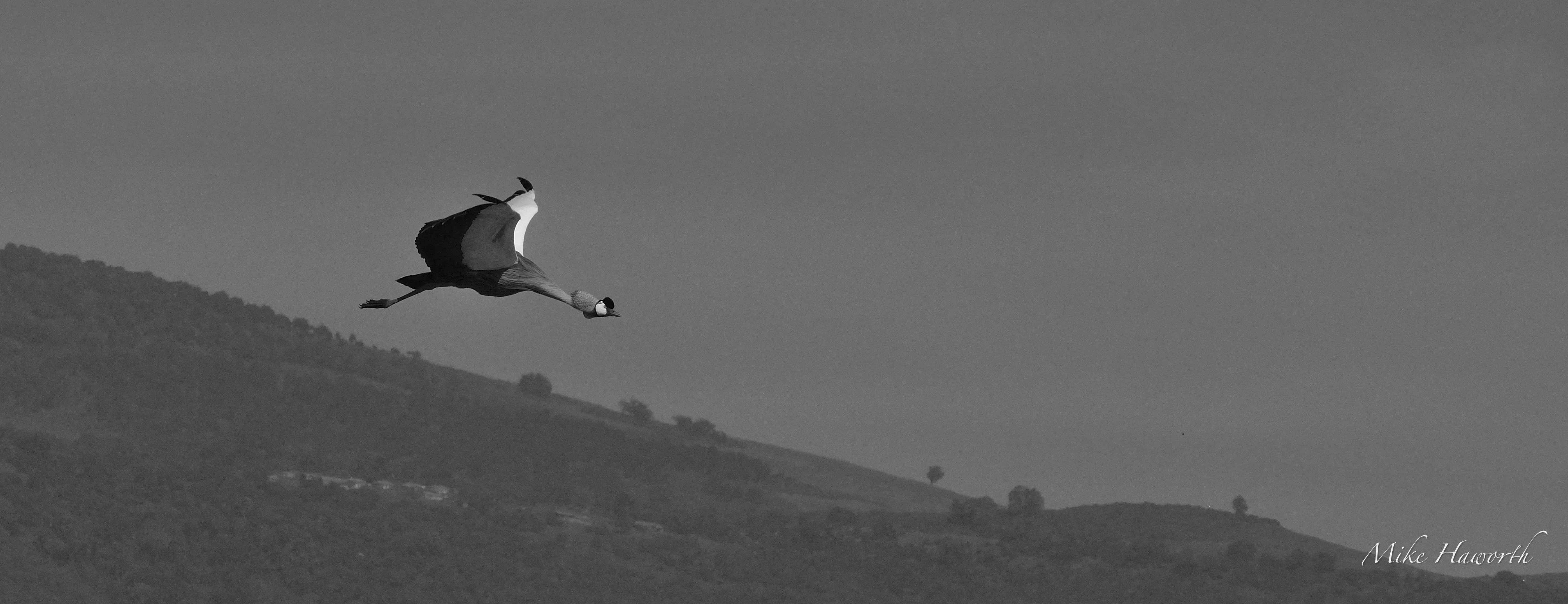
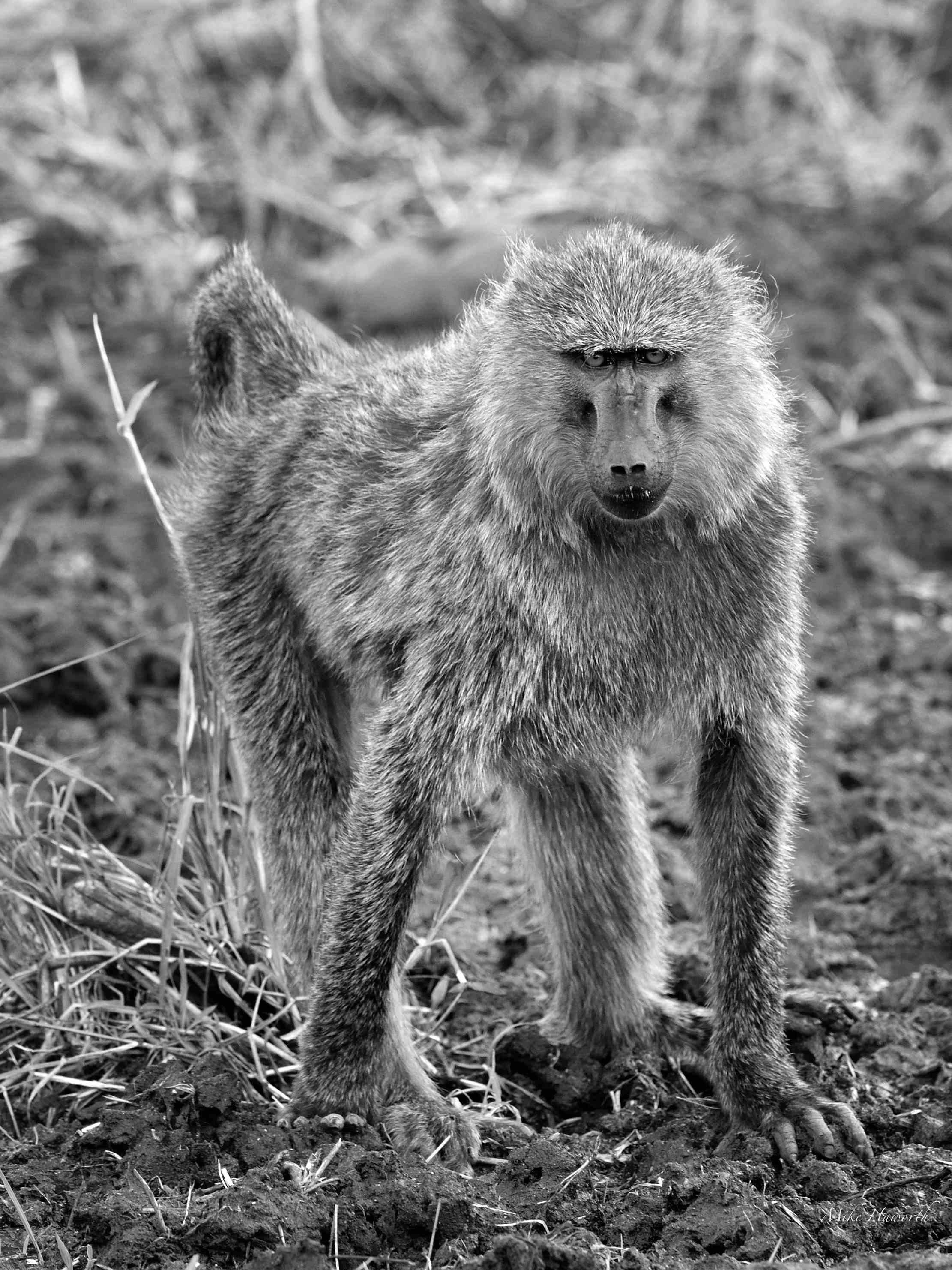
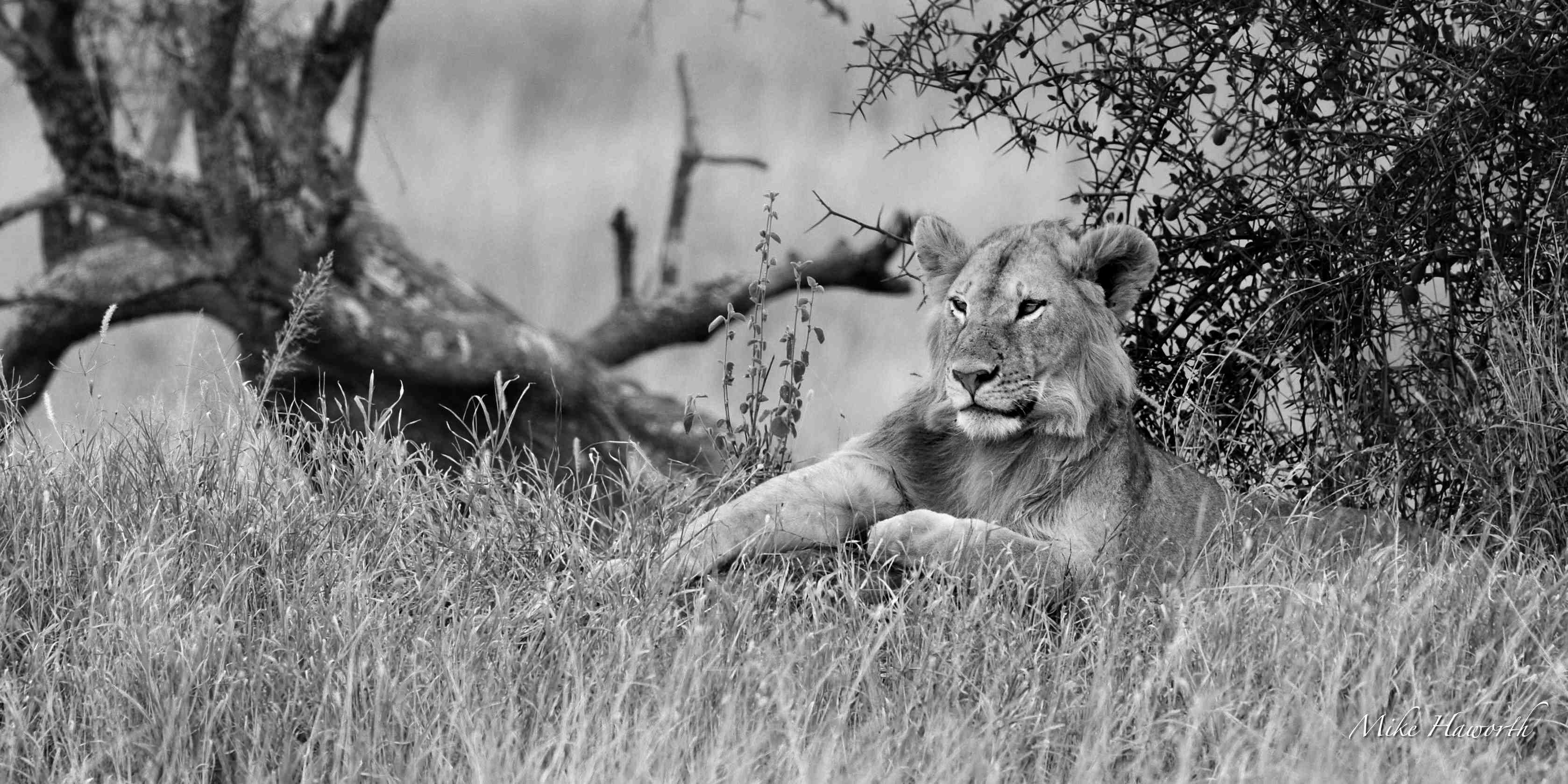
 Every now and then I like to stop and look at my wildlife images slightly differently. I love colour in my images but it is also worthwhile looking at some of the images in black and white. For a change, I will also let the images do the talking and not my words.

Photography is love affair with life.

– Burk Uzzle

First day in the Serengeti


Second day in the Serengeti Serengeti Photographic Safari Serengeti Photographic Safari

Great photography is about depth of feeling, not depth of field.
Peter Adams

Serengeti Photographic Safari

Serengeti Photographic SafariSerengeti Photographic SafariSerengeti Photographic SafariSerengeti Photographic SafariSerengeti Photographic SafariSerengeti Photographic SafariSerengeti Photographic Safari

There is only you and your camera. The limitations in your photography are in yourself, for what we see is what we are.
– Ernst Haas

Serengeti Photographic SafariSerengeti Photographic SafariSerengeti Photographic SafariSerengeti Photographic SafariFirst day in the Serengeti

Look and think before opening the shutter. The heart and mind are the true lens of the camera.

Yousuf Karsh

Serengeti Photographic Safari

Serengeti Photographic SafariSerengeti Photographic SafariSerengeti Photographic SafariSerengeti Photographic SafariFirst day in the Serengeti

I always thought good photos were like good jokes. If you have to explain it, it just isn’t that good.
– Anonymous

First day in the SerengetiSerengeti Photographic SafariSerengeti Photographic SafariSecond day in the SerengetiSerengeti Photographic SafariSerengeti Photographic SafariSerengeti Photographic SafariSerengeti Photographic SafariSerengeti Photographic Safari

Light is your crayon, and there’s always another color in the box.

– Tedric A. Garrison


Explore, seek to understand, marvel at its inter-connectness and let it be.

Have fun

Mike


Tembe Elephant Park

This is the second post of our trip to north KwaZulu Natal. After our first day in Ndumo, it was time to go and explore the Tembe Elephant Park.  Firstly, we saw more birds at Tembe and secondly it is a beautiful park. Again it does not lend itself to good photographic backgrounds, The bush is dense but beautiful. There are some wonderful pans in the park which are ideal drinking spots for the game. Tembe’s roads are very sandy and some parts have deep sand. You will need a 4×4 to get around, which of course is part of the fun. The public only has access to the southern part of the park with the northern most access being to the Poweni hide. There are some 340 birds recorded in Tembe. The bush is thick which does make it exciting because you never know what you will meet when you will come around the corner, it could be a large Elephant. This park has some of the largest Elephant in southern Africa. Our experience was that they were relatively placid and not remotely as aggressive as those in Kruger. We have great respect for these intelligent giants so never pressed our luck but rather gave them right of way. On occasion this meant reversing back up a very narrow deep sand road through the bush which was scraping both sides of the vehicle – no room to turnaround.

“The diversity of the phenomena of nature is so great, and the treasures hidden in the heavens so rich, precisely in order that the human mind shall never be lacking in fresh nourishment.”

– Johannes Kepler (German Astronomer, 1571-1630)

There are two hides in Tembe, Mahlesela and Poweni. Both are in very good condition and were great from an observation point of view being high up but were a long way from the actual pans. Perhaps good for Elephant but not for bird photography. Again they are good for observation but not for photography. Tembe has numerous pans away from the swamp which still had water in mid-winter. The next image is of Mfungeni pan early in the morning. We did not see any game around this waterhole the few times we visited it but the area looked to have loads of potential. It was just a question of timing.

Tembe AM 21-Jun-14 0004

One morning, driving further up the road from Mfungeni pan along the Maziswana road we were fortunate enough to see this Cuckoo Hawk. I tried to get around to get a better shot but it was not obliging. This was a first for me.

Tembe AM 21-Jun-14 0110

My knowledge of Larks will probably make you smile, but I think this is a common Rufous-naped Lark. The colouring, geography, and brown eye band are my markers.

Tembe AM 21-Jun-14 0085

Down at the southern end of the Muzi swamp, we came upon this Yellow-throated Longclaw. It was drenched in the morning dew, looked frozen and was singing its heart out.

“Just living is not enough… one must have sunshine, freedom, and a little flower.”

– Hans Christian Anderson

Tembe AM 21-Jun-14 0090

The southern part of the Muzi swamp is accessed via an east and west road. The east road is best to travel along in the early morning as the sunlight is directed onto the swamp. The west road has a lot of bush between it and the swamp and is not nearly as open as the east road. Further up the east road, we found this Black-crowned Tchagra. It must have been its territory as we saw it a couple of times in the same area. Tchagra is an onomatopoeic name. Tchagras are closely related to boubous and bushshrikes but are slightly smaller. They have the sharp, small hook at the end of their beak characteristic of the shrike family. This is an exquisitely beautiful bird but almost impossible to get a clean background because like boubous they like to skulk in among the lower branches of thorn bushes and scrub.

Tembe AM 21-Jun-14 0097 Tembe AM 21-Jun-14 0101

Along the east swamp road we came across three juvenile Black Shouldered Kites. All  screeching with youthful urgency. One young Black Shouldered Kite had caught a rat and was very protective over its kill. It flew into a really heavily thorned acacia so that its siblings could not come a join in the feast. It made short work of the rat, just tearing it into pieces and eating everything, feet and tail included.

Tembe PM 21-Jun-14 0145

At the northern part of the east swamp road, it crossed the swamp as an embankment with a concrete causeway. We stopped on the embankment to watch Grey and Black Headed Herons hunting in the swamp waters. Despite a surface layer of thick green algae, the Herons seemed to be successful.

Tembe PM 23-Jun-14 0300

We often saw Crowned Hornbills which were distinguishable by their red bill with a yellow base to it matching their eyes. Although the Red-billed, Monterio’s and Bradfield’s Hornbill also have a red beak, the Crowned has a deeper casque to its beak than the other three. You don’t find the Monterio’s or Bradfield’s Hornbill in this part of the world. The Crowned Hornbill is a tree loving species which prefers riverine and coastal bush and lowland savanna.

Tembe AM 21-Jun-14 0113

Just after the park’s reception area at the entrance to the park this is just the kind of sign you would expect in a game park.

Tembe AM 22-Jun-14 0206

“From the recycling miracles in the soil; an army of predators ridding us of unwanted pests; an abundance of life creating a genetic codebook that underpins our food, pharmaceutical industries and much more, it has been estimated that these and other services are each year worth about double global GDP.”

– Tony Juniper, sustainability and environment adviser, ‘What has nature ever done for us?’ (2013)

On the west part of the Tembe National Park is the kuDukuza and kuPhisi forests. These are dense sand forests and provide refuge for one of the last free ranging Elephants in southern Africa. Tembe’s African Elephants used to range between Mozambique and Maputaland but conflicts have resulted in these Elephants seeking refuge in the sand forests. Some of the largest tuskers in South Africa can be found in this park.

Tembe AM 23-Jun-14 0233

The road skirted the periphery of the duDukuza and kuPhisi sand forests and the parts we drove along were very beautiful. This was one of my favourite parts of the park.

“The world’s forests are a shared stolen treasure that we must put back for our children’s future.”

Archbishop Desmond Tutu

We took one of the four days of our trip to drive down to Kosi Bay Estuary. You drive to within a kilometre of the SA-Mozambique border post before turning right onto a sand road to the park. Be sure to get a permit from the adjacent Kosy Bay Inn at the top of the hill just before the park entrance.

Tembe AM 22-Jun-14 0205

We scouted around for a while to see if we could see Crab Plovers or a White Backed Night Heron (unlikely during the day) or any Flufftails but no such luck. We heard Crowned Hornbills but did not see any birds beside Little Egrets sitting on the sticks of the fish traps waiting for a meal.

“It is the marriage of the soul with nature that makes the intellect fruitful, and gives birth to imagination

Henry David Thoreau

The next image is of the fish kraals or traps in  the Kosi Bay Estuary. They made interesting patterns against the blue water. The entrances to all the fish traps were facing away from the estuary mouth.

Tembe AM 22-Jun-14 0198

We did not spend much time at Kosi Bay estuary after a walk along the beach because we saw very few birds and the wind was blowing quite hard.

“The earth has music for those who listen.”

– William Shakespeare

Back at Tembe we saw  many Nyala. The sand forest seems to be ideal habitat for them, especially with the swamp in the east part of the park.

Tembe PM 21-Jun-14 0125

The Nyala is most dimorphic of any antelope in southern Africa. The male has charcoal grey hair on its body. Two manes, one on its back and another under its throat and stomach. The hair on its stomach and tops of its legs is long and at the elbow its colouring abruptly changes to a short golden hair. The female is a rusty-red with white vertical stripes on its body.

Tembe PM 21-Jun-14 0128 Tembe PM 23-Jun-14 0287

Nyala do not seem to be territorial but they can be extremely aggressive. On my cousin’s farm up in Zimbabwe (before it was taken), I saw a Nyala bull approach a Sable on a sand road. The Nyala bull arched its back  and its back mane stood up vertically making the Nyala look bigger. There was no fight and also no competition as the Sable unfazed just strolled passed.

Tembe PM 21-Jun-14 0039

One of the highlights of being in Tembe was to see the Crested Guineafowl. These are extravagantly dressed Guineafowl which live in lowland riverine forests. They have a tuft of short black feathers adorning their heads and their body and wing feathers merge into what looks like an elegant, well-tailored coat from their neck to their legs. They do not venture out into grasslands and fields like the Helmeted Guineafowl.

Tembe PM 21-Jun-14 0186

“Nothing is rich but the inexhaustible wealth of nature. She shows us only surfaces, but she is a million fathoms deep.”

Ralph Waldo Emerson

Tembe PM 21-Jun-14 0188

The Elephants in Tembe have calmed down as they have a sanctuary where they are not harassed. There are around 200 Elephants in the park.

Tembe PM 22-Jun-14 0211

On our way to duDukuza forest we stopped at the Ezinaleni pan. In fact, there are a series of pans in the area. This is a wonderful deserted place to sit and have lunch and be quiet. We saw Woolly-necked Storks and many Nyala and Impala around this water hole.

Tembe PM 23-Jun-14 0247 

A pair of Woolly-necked Storks were roosting in one of the big trees behind the pan.

Tembe PM 23-Jun-14 0309

This was not a productive photographic trip from a bird and animal perspective but the area is very beautiful. If you want to go to places which are not crowded and are wonderfully peaceful, Ndumo and Tembe will suit perfectly. I suggest getting a local bird guide to show you around, the bush is thick and you will need some guidance as to what and where to look. If you are interested in trees this is the place for you.

“From a distance the world looks blue and green,
and the snow-capped mountains white.

From a distance the ocean meets the stream,
and the eagle takes to flight.

From a distance, there is harmony,
and it echoes through the land.

It’s the voice of hope,
it’s the voice of peace,

it’s the voice of every man”.


 lyrics for ‘From A Distance’ sung by Bette Midler

Explore, seek to understand, marvel at its interconnectedness and let it be.

Have fun

Mike